
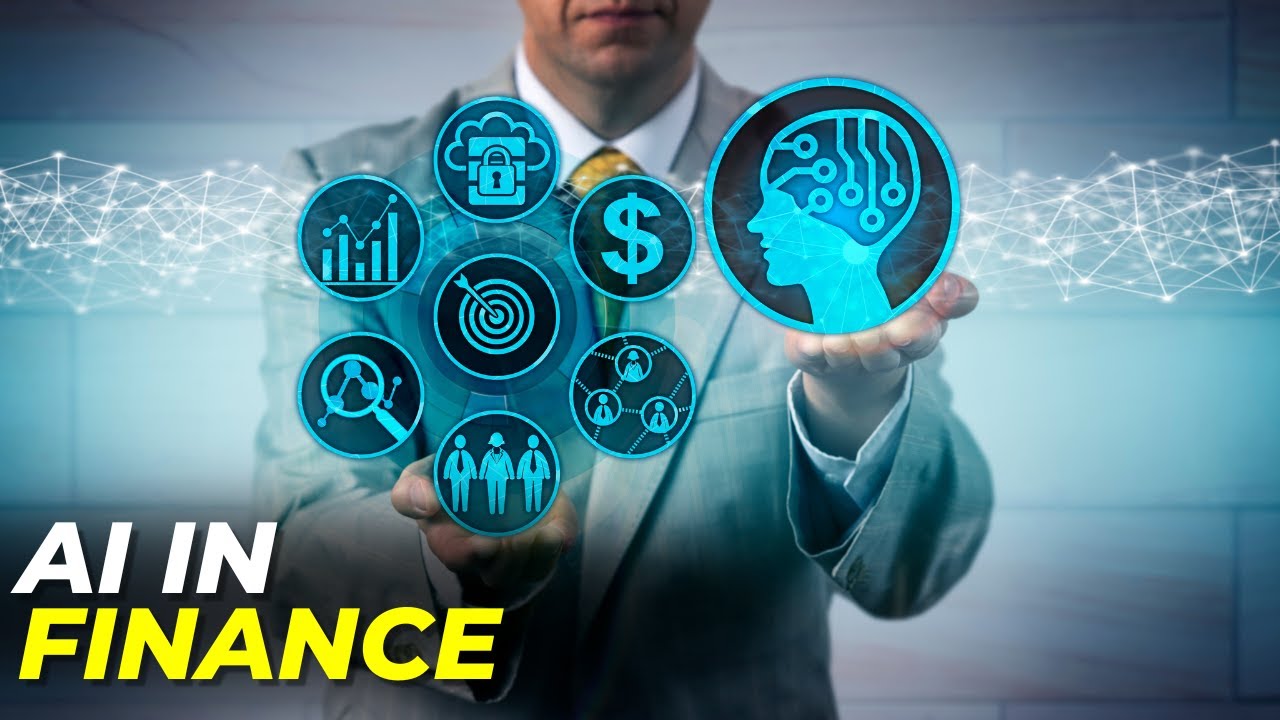
How Businesses Can Use AI Better: A Guide to Smarter AI Integration
Introduction
Artificial Intelligence (AI) is no longer a futuristic concept—it’s a business necessity. Companies are already using AI for automation, data analysis, cybersecurity, and customer engagement, but many struggle to fully optimize its potential. Simply implementing AI isn’t enough; businesses must use AI strategically to maximize efficiency, reduce costs, and gain a competitive edge.
In this blog, we’ll explore how businesses can use AI better to drive growth and innovation.

1. Define Clear AI Goals
Many companies invest in AI without a clear strategy, leading to wasted resources. Before implementing AI, businesses should:
🎯 Identify specific challenges AI can solve (e.g., reducing manual data entry, improving security, personalizing marketing).
🎯 Set measurable KPIs to track AI’s impact on business processes.
🎯 Align AI implementation with business objectives for better ROI.
2. Improve AI-Driven Automation
AI excels at automating repetitive tasks, but businesses must ensure efficiency without compromising accuracy. Here’s how:
✅ Automate Customer Support – Use AI-powered chatbots & virtual assistants for 24/7 support.
✅ Optimize IT Operations – Implement AI-driven system monitoring to predict & prevent downtime.
✅ Enhance HR & Recruitment – AI can screen resumes, schedule interviews, and analyze employee performance.
3. Leverage AI for Data-Driven Decision-Making
AI isn’t just about automation—it can process massive datasets to provide insights. Businesses can use AI to:
📊 Analyze customer behavior and personalize marketing campaigns.
📈 Predict trends & sales performance using AI-powered analytics.
💡 Detect inefficiencies in business operations and suggest optimizations.
🔍 Tip: Use AI tools like Google Analytics, Tableau AI, or IBM Watson to make data-driven decisions.
4. Strengthen Cybersecurity with AI
Cyber threats are becoming more sophisticated, but AI can proactively defend businesses. AI-enhanced cybersecurity solutions:
🛡️ Detect and block real-time cyber threats (malware, phishing, ransomware).
🔍 Identify suspicious activities in networks and prevent unauthorized access.
⚠️ Automate security updates & patch vulnerabilities before attacks happen.
💡 Best Practice: Use AI-powered security tools like Darktrace, Cisco AI Security, or Microsoft Defender AI.
5. Enhance AI-Powered Customer Experience
AI can improve customer engagement by providing real-time, personalized interactions. Businesses should:
🤖 Use AI chatbots to answer FAQs & provide instant support.
🎯 Implement AI-based product recommendations (e.g., Netflix, Amazon’s recommendation engines).
📞 Deploy AI-driven sentiment analysis to improve customer service & satisfaction.
6. Integrate AI with Cloud Computing for Scalability
Combining AI + Cloud enables businesses to scale effortlessly and reduce IT costs. AI-powered cloud solutions help:
☁️ Automate cloud resource management (adjust computing power based on real-time demand).
📡 Improve remote collaboration with AI-enhanced productivity tools (Google Workspace AI, Microsoft Copilot).
🔄 Enhance disaster recovery by using AI to predict failures & back up critical data.
7. Keep AI Ethical & Transparent
AI must be used responsibly to avoid bias, security risks, and data privacy violations. Best practices for ethical AI:
✔ Ensure AI algorithms are fair, unbiased, and transparent.
✔ Follow GDPR, HIPAA, and other compliance regulations for data privacy.
✔ Use AI to assist—not replace—human decision-making.
Conclusion: Smarter AI for Smarter Business
AI is only as powerful as the way it’s used. Businesses that strategically integrate AI into their operations will improve efficiency, enhance customer experience, and strengthen security. The key is to focus on clear goals, automation efficiency, data insights, security, and ethical AI practices.